
Travel packing tips that change the way you travel
Tips to pack your luggage for travel are more important than many people believe. It’s not just a chore that you complete at night prior to going on a trip. It determines the mood for the rest of your trip. The way you travel through airports, the way you feel when walking for long distances or how tolerant you are when your plans shift.
I’ve seen people pack half of their wardrobes and claim they have nothing to wear. I’ve also seen travelers carrying just a small bag go about their business without a fuss. The difference isn’t in discipline. It’s knowing how to pack effectively.
This guide isn’t about extreme minimalism, or forcing yourself to live with less. These travel packing tips are about planning. Only pack what is necessary for your travel plans, not what makes it more difficult.
The key to pack light for travel is the mindset, not the luggage
Most packing problems don’t begin with the suitcase. They begin in your head. Before the zipper gets jammed or the backpack becomes overloaded, the actual mistake is already made. It’s the desire to prepare for any eventuality instead of just the probable ones. The quiet “just in case” voice is the reason for half of the burden people put on themselves.
Imagine the weather suddenly changing. You imagine a fancy meal which probably won’t take place. You consider an outfit that you might think of wearing but it’s not the best fit for the event. One thing becomes three, then five and then your bag becomes filled with items you’re not sure of.
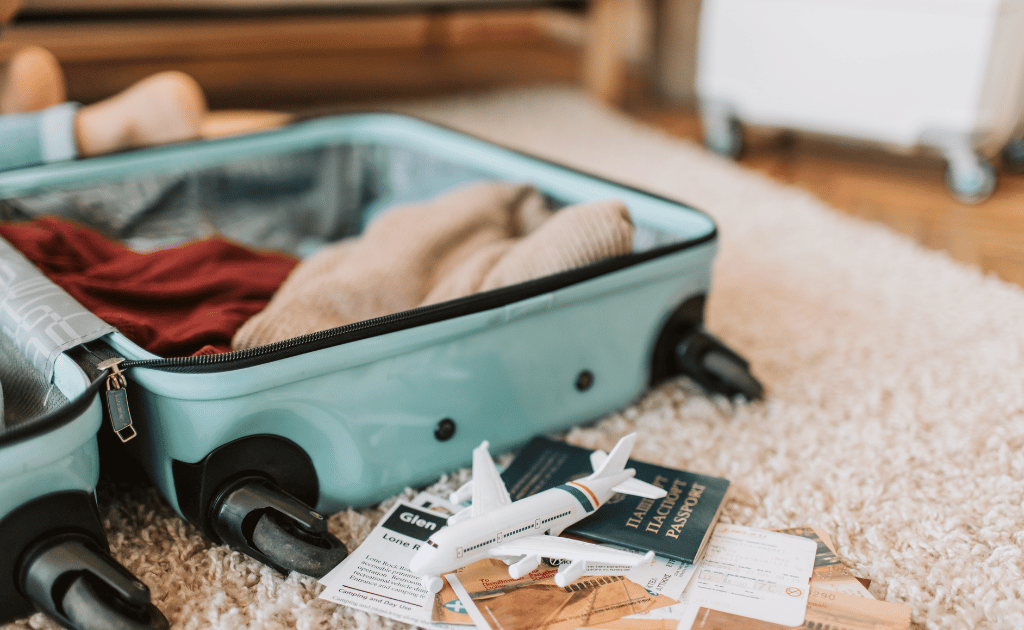
Packing light doesn’t mean being uncomfortable or unprepared. It’s about putting your trust in yourself a bit more. Laundry is available almost everywhere. Shopping centers are also available. Repetition of clothes is not an excuse for failure. It’s a the norm for travelers. No one is counting the number of times you’ve worn the same outfit. The only one who is judging is normally you.
When you understand that comfort doesn’t stem from options but rather from simplicity, intelligent packing becomes a lot easier. Your decisions get clearer. Your bag gets lighter. The travel experience begins to feel not like the logistical challenge and more like a journey once more.
Travel necessities make what make the difference in a pleasant journey and a traumatic one
How do you plan your luggage prior to putting it in your bag
Smart packing tips doesn’t happen on your mattress. It’s done in your mind, on paper or in a notepad application even if you’re not stressed. When your clothes are laid out, the emotions start to begin to take over. You begin picking things up and making up scenarios, rather than thinking in terms of practical.
Before you open your bag, stop and ask yourself three genuine questions.
Where do you plan to go? This is not the idealized version of the trip but the actual one. Culture, climate and the setting are more important than the mood.
What are you most likely to do? Walking, sightseeing, working, relaxing, moving between places. More important than the length of time.
How many days really require a different outfit? Not the number of days you’re away however, how many occasions require a different outfit.
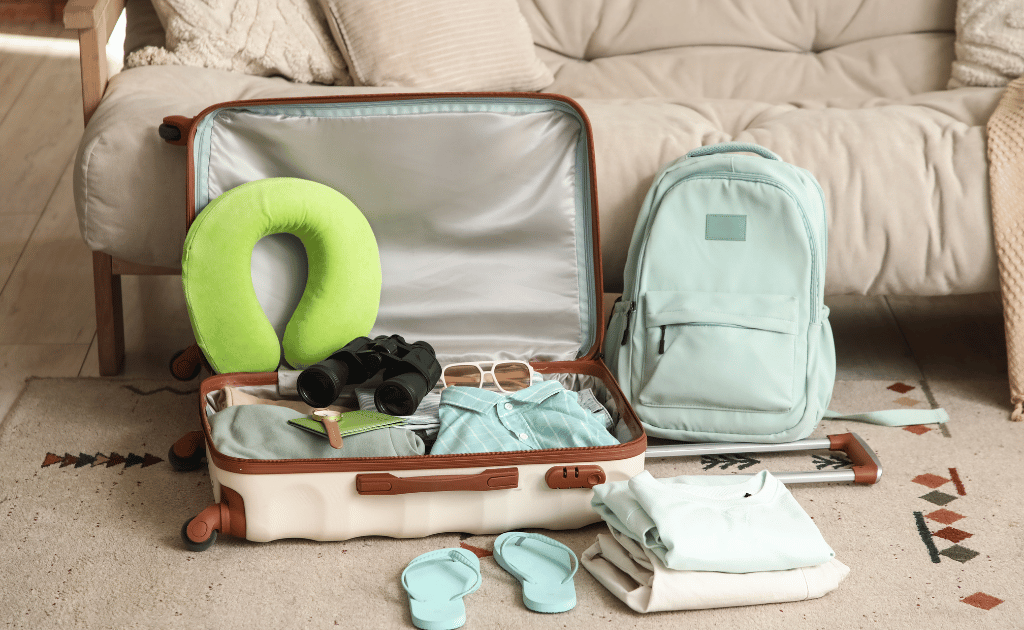
This alone will eliminate the urge to pack. You stop reacted emotionally to things and begin selecting items with a purpose. Instead of thinking “what if I need this,” you begin asking “when would I actually use this.” This shift alters everything.
The first step is planning ahead also helps you pack quicker. If you are aware of the purpose of what the items you’re taking your bags for it’s not necessary to sit in the middle of a decision, rethinking every move. You’ve already made your decision.
Travel packing tips for packing clothes that actually work
Clothing occupies the largest space and creates some of the greatest regret. It’s a category that is easy to overload and is the most difficult to let go emotionally. It’s easy to attach emotions to clothes. Memories, comfort, identity. This is why they slip into bags very easily.
The answer isn’t discipline. It’s structure.
Create combinations that are not outfits, but combinations
The clothes are tough. They are designed to withstand perfect conditions and predictability of days. Traveling isn’t the same. Combinations can be adaptable. They change as plans change.
Instead of planning a particular style for each day, select pieces that naturally complement each other. Tops that complement multiple bottoms. Layers which can be added or removed based on the conditions. Shoes that can be used for multiple activities. This strategy allows for more options without adding the number of items.
Neutral colors can do more than most people think. They blend well and aren’t noticed when they are used in a series. Comfortable fabrics are more important than fashion when you’re on the move all day sweating sitting, standing, and moving around. If something looks nice but isn’t comfortable after a couple of hours, it’s not worthy of place in your bag.
There’s a simple rule that eliminates overpacking quickly and is extremely effective.
If you’re not going to wear it more than twice during your journey, don’t take it with you.
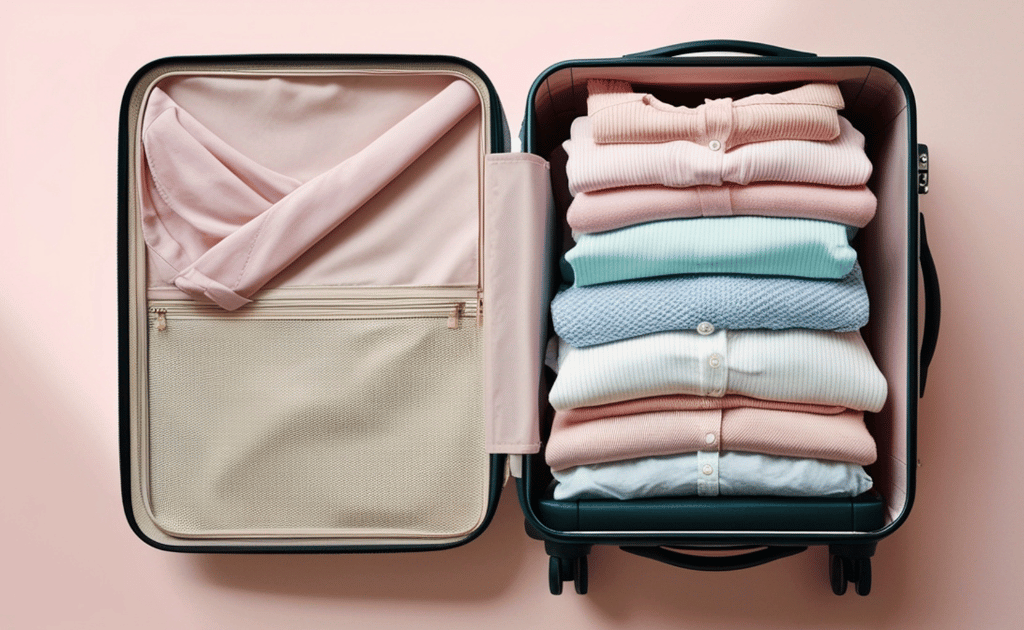
This law requires transparency. It cuts through the fantasy and puts the focus on reality. The extra jacket or the “special” shoes, or that spare outfit doesn’t have any meaning anymore.
If you pack in this manner, something new occurs. You don’t feel restricted. You feel lighter. Your bag is easy to open. You can find items quickly. Instead of organising your belongings, you concentrate on the journey itself.
It’s not about having less. It’s about requiring less. Once your perspective changes the way you think, your luggage will naturally follow.
Folding vs Rolling vs Compressing Clothes
The debate about folding, compressing, or rolling clothing is like the travel myth. Everyone seems to have an opinion. view, yet there is no “perfect method” never really exists. It is true that each method has its own way, and the best strategy is to mix them rather than settling for one side.
Rolling can be a lifesaver when it comes to casual clothes. T-shirts, slim pants and summer dresses or anything that is soft and flexiblerolling helps to save space and stops clothes from becoming wrinkled upon you open your bag. It’s easy to grab just a single item that has been rolled without disrupting other items, which is a minor benefit that is more important than you imagine when traveling.
Folding however is recommended for formal or formal clothes. Collars, jackets, blazers shirt, and more stiff fabrics last longer if folded correctly. If you attempt to roll them, you run the risk of forming creasing in the wrong places. This can be a hassle when you’re arriving for a meeting or a meal.
ANRABESS Womens 2 Piece Outfits
Compression bags are an entirely different story. They’re ideal for items that are bulky such as jackets, sweaters or winter clothes They also make space. But there’s a drawback that compression may cause wrinkles in certain fabrics. If you’re traveling for formal occasions or meetings that require delicate fabrics, excessive compression could result in greater stress than relief.
The key is to combine these techniques. The key is to roll casual clothing that is comfortable and fold them into structured pieces and then compress large objects only when they are needed. This keeps your bag neat, avoids unneeded wrinkles, and makes travel packing essentials for your destination much easier.
Travel Packing Essentials That Save Space Without Effort
Certain packing products may appear simple, but they solve major issues. They’re not glamorous however once you begin using them, returning seems impossible.
Cubes for packing are likely to be the most effective example. They organize clothing into categories They also keep clothing compact, and prevent the bag from becoming chaos each when the bag is opened. Instead of rummaging through the stack of clothing, you’ll be able to find exactly the items you require.
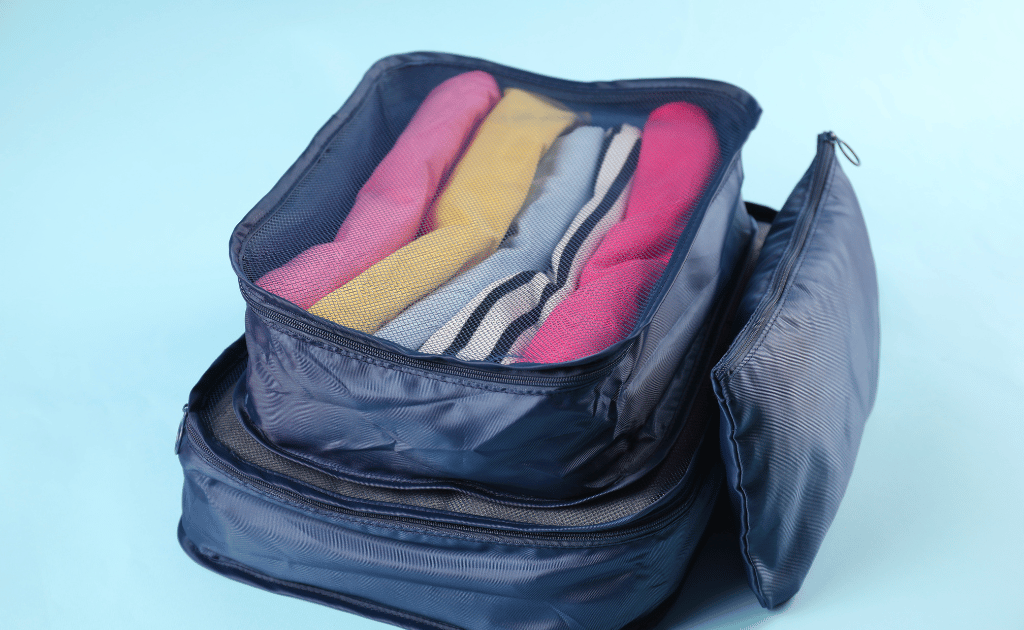
Laundry bags are a simple but life-changing piece of equipment. Separating worn clothes from clean ones keeps your clean clothes from taking on smells and wrinkles. Covers for shoes protect the rest of your clothing from scuffs, dirt and dirt. Compression pouches help control sweaters and jackets, making bulky clothes behave, without taking up the entire bag.
Shacke 6 Set Packing Cubes for Travel
The most important thing is structure, not squeeze. Try to squeeze everything into a narrow space usually causes greater stress and anxiety than it helps. The key to travel packing tips is creating sections, making things easily accessible and ensuring your luggage remains easily manageable.
How to Pack Toiletries Without Leaks or Stress
Toiletries are a surprising cause of packing mishaps. One tiny leak could destroy the rest of your luggage and often occurs at the most inconvenient time.
Always use containers that are travel-sized and seal them securely. Place liquids in an additional pouch to ensure that if there’s a leak it is contained. Even if you’re sure that your bag will remain upright, adhering to the rules for liquids on flights can prevent stress at security checks.
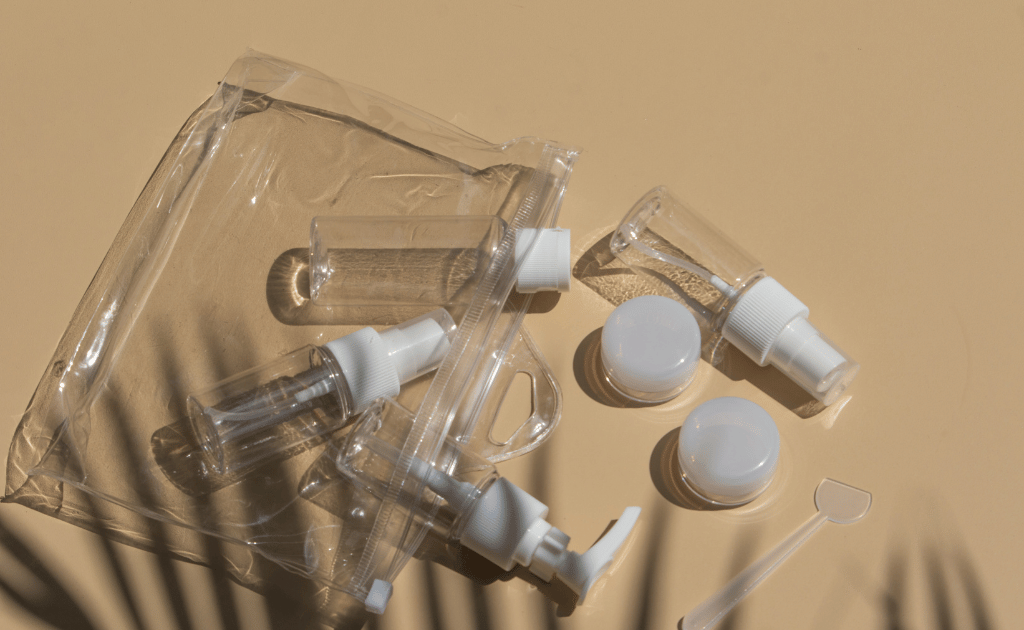
Alternatives to shampoo, such as shampoo bars or deodorants that are solid are a smart method to cut down on risk and also save space. They can also last longer than anticipated and aren’t a need to worry about leaky bottles. One of those travel packing tips to pack is one you’ll only enjoy the first time you spill shampoo out of your clothes in the hotel.
16 Pack Travel Bottles for Toiletries, TSA Approved Travel Size Toiletries Containers
Carry-On travel packing tips Every Traveler Should Follow
It’s great to have checked luggage But delays can occur. Bags get lost. That’s why packing your carry-on isn’t merely a matter of choice it’s crucial. A well-packed carry-on will help you get through your trip if unexpected events occur.
Your essential travel items should last at least 24-48 hours in case your primary bag gets lost. It’s not about packing everything twice, it’s about the strategic necessities: one set of clothes basic items for toiletries and chargers, a battery charger, essential documents and even snacks. These are items that will ensure your security, comfort and security.
This habit can eliminate the stress of flying. There are delays, but if you are confident that you’ll be covered, you’re at peace. It’s easier to enjoy the journey instead of trying to figure out solutions. Carry-ons don’t just serve as luggage They’re also a portable security net.
Comparison table: smart packing vs overpacking
| Packing Style | Result | Stress Level |
|---|---|---|
| Overpacking | The weight of the bags is heavy, and they move slowly. | High |
| Random packing | Missing essentials | Medium |
| Smart packing | Flexible, organized | Low |
Travel packing tips for different kinds of travel
The packing method is a little different depending on the travel destination, but the fundamentals remain the same.
City trips require comfortable footwear and small bags.
Beach trips require protection from the sun and the rain.
Cold trips require layers, not bulky things.
Common mistakes in travel packing essentials to avoid
The most common mistakes are caused by the fear of failure, not the logic.
Unpacking too several items.
Ignoring weather realities.
Forgetting adapters.
Packing valuables in checked luggage.
Smart travelers make less decisions but not necessarily more.
FAQs about travel packing tips
How do I pack light without feeling unprepared?
Focus on problem-solving items, not outfit variety. Essentials beat options.
What is the biggest packing mistake people make?
Packing for imaginary situations instead of real plans.
Are packing cubes really worth it?
Yes. They improve organization, save space, and reduce stress.
Final thoughts: packing smart makes travel lighter
Smart travel packing tips aren’t about perfection. They’re about freedom. When your bag is lighter, your mind follows. You move faster, stress less, and enjoy more.
Packing well doesn’t make you rigid. It makes you adaptable. And adaptability is the real secret to traveling smarter.