
The importance of carry-on luggage
When you travel carrying your luggage on board, it’s usually your security net. Carry-on luggage essentials don’t just focus on convenience, they’re also about comfort, preparedness, and peace of mind.
I’ll never forget the first time I flew internationally with no proper carry-on plan. My checked bags were delayed and I was left with only my personal belongings for a period of 48 hours. I’ve learned that carry-on luggage essentials can affect your journey, from reducing stress to keeping you functional.
From clothing to documents, from electronics to snacks, every item you carry in your bag serves an important purpose. Knowing carry-on packing tips, what to bring, what not to pack, and which cabin luggage rules apply to you allows you to have a stress-free travel experience.
Rules for airliners that you should be aware of
Knowing the importance of carry-on luggage essentials starts with understanding the airline carry-on requirements and cabin luggage rules. I’ve learned that disregarding these rules can transform a routine flight into an unsettling experience. Airlines can differ slightly in terms of restrictions, however certain rules are universal and crucial to avoid delays, additional costs, or confiscated goods.
Weight and size restrictions are the first obstacle. The majority of airlines permit carry-ons that measure 22 x 14 x 9 inches (56 x 36 x 23 cm) with weight limits typically ranging from 7–10 kg. This may seem generous, however anyone who has tried fitting an extra coat or shoes into a small bag will know how quickly it fills up. Always visit the website of your airline for precise measurements and weight restrictions. Some low-cost carriers have stricter regulations, and if you violate them, you could lose both time and money.
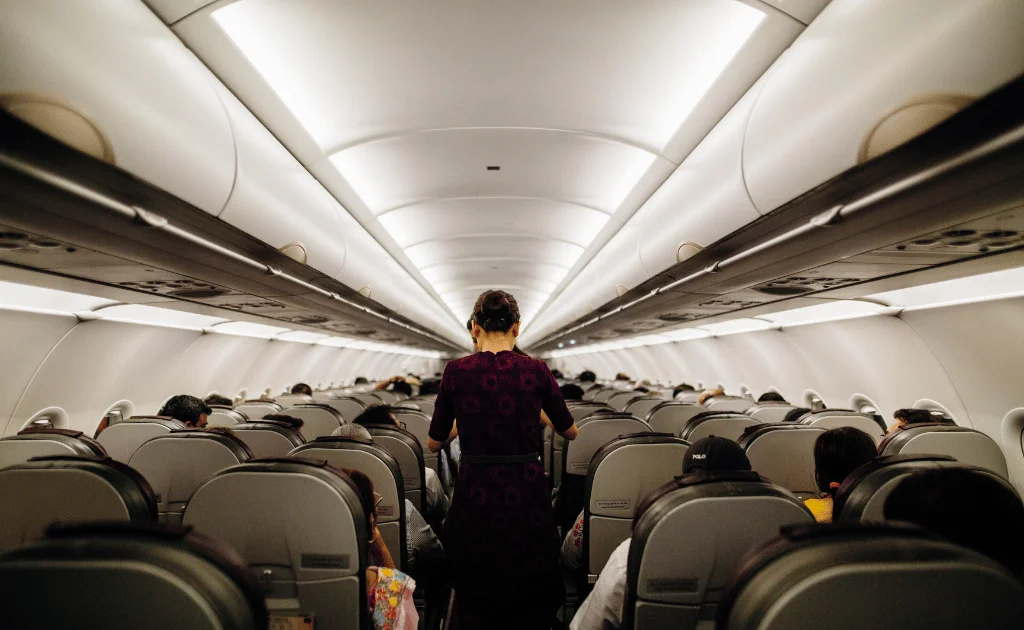
Gels, liquids, and creams are another factor to consider. The TSA and many international agencies require containers to be 100 ml or less, all kept in a transparent 1-liter zip-lock bag. Violating this rule may result in airport security confiscating your items. A simple oversight, such as carrying full-size shampoo, could result in the loss of a product entirely. To make life easier, I always prepare a separate toiletry bag that’s fully compliant with liquid restrictions, so there’s no last-minute rush at security.
Prohibited items are also important to remember. Sharp objects, oversized scissors, and certain electronics batteries are forbidden. Some novelty items or multi-tools that seem harmless might not be allowed. Checking TSA or local authority lists in advance ensures your bag passes through checkpoints smoothly. Nothing is more frustrating at the start of a trip than being told to discard a favorite item.
Many airlines allow extra items, like a small laptop bag, backpack, or handbag, in addition to your main carry-on. This is ideal for keeping essentials such as documents, electronics, snacks, or valuables easily accessible during the flight. Being aware of these cabin luggage rules prior to departure lets travelers maximize their carry-on space while avoiding unnecessary stress.
If you understand airline regulations, you already have an advantage in organizing your carry-on luggage essentials. Following cabin luggage rules reduces delays at security and creates the conditions for a smooth, well-organized travel experience.
Important documents and valuables: the first essentials to carry on
Once you know the guidelines, the next step is to organize your carry-on luggage essentials. Every trip starts with documentation. Without it, even the best-packed bag is useless. Passports, IDs, boarding passes, and travel insurance papers are non-negotiable.
Always store them together in a secure compartment for quick access:
- Passport or national ID
- Visa documents if required
- Travel insurance papers
- Emergency contacts and copies (printed and digital)
- Boarding passes and hotel confirmations
Fireproof Document Box File Organizer: Hard-Shell Case Fireproof Waterproof Box
A slim travel document holder is one of the simplest yet most effective tools for organizing your carry-on luggage essentials. Imagine being at airport security, rummaging through your bag for multiple documents. Stress rises instantly, and the calm of starting a trip disappears. With a document organizer, everything is visible, compact, and easy to locate. Even small details like this count heavily in travel preparation.
Electronics and gadgets: stay connected and powered
Electronics are another core part of carry-on luggage essentials. Laptops, smartphones, tablets, cameras, and accessories often travel in your hand luggage. Forgetting chargers or power banks can turn a smooth flight into a chaotic experience, especially if you rely on electronics for work, navigation, or entertainment.
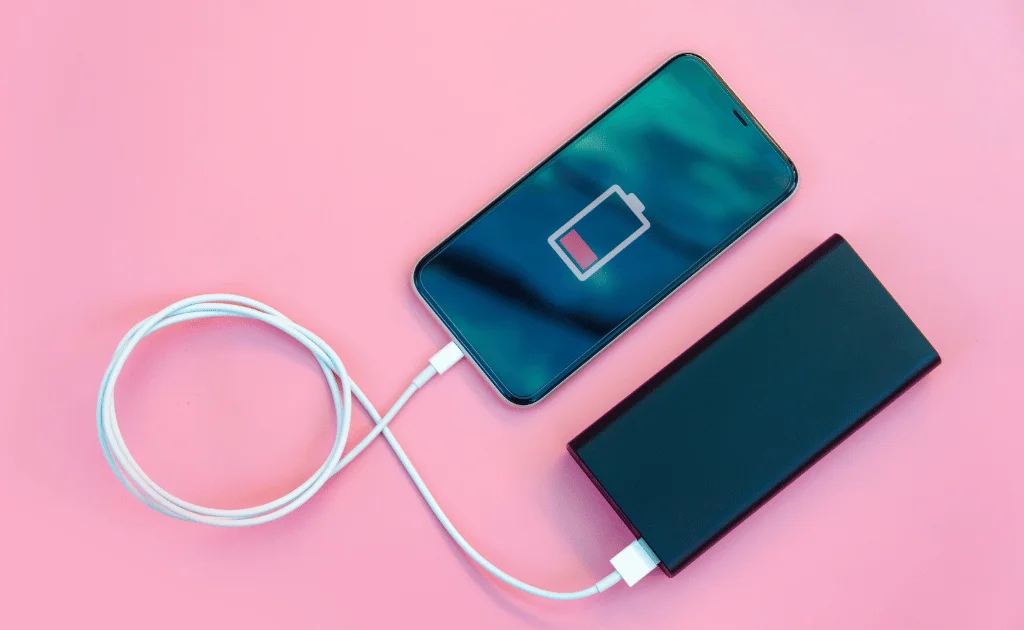
Carry-on packing tips for electronics:
- Use padded compartments to prevent damage.
- Carry all necessary chargers, cables, and a portable power bank.
- Store small items in a dedicated electronics organizer to prevent tangles or loss.
- Back up important files to cloud storage before departure to avoid data loss.
Whether you’re a business traveler, digital nomad, or a leisure traveler who enjoys photography or streaming, electronics are essential. A friend of mine missed a conference because his laptop charger was in checked luggage that got delayed. The lesson is clear: electronics should stay in your carry-on luggage essentials, packed securely and ready for use.
BAGSMART Large Electronics Travel Organizer Case
Properly organizing electronics also frees space for other carry-on luggage essentials, such as clothing, snacks, and toiletries. Categorizing and labeling compartments ensures quick access during security checks or in-flight, without creating a mess.
What is the significance of these fundamentals?
The combination of recognizing airline carry-on requirements, arranging paperwork, and packing electronic devices in a safe manner is the foundation of carry-on luggage essentials. Without these essentials, even the most effective packing method could fail. Being aware of the airline carry-on requirements ensures your bag is compliant, organized, and optimized for space. This reduces stress, and including electronic devices ensures you are productive, connected, and entertained throughout your travel.
Holiday Essentials Made Easy: What to Pack for Every Type of Vacation
In the end, carry-on luggage essentials are all about preparation. They allow you to remain well-organized, calm, and in control regardless of circumstances. Planning ahead and investing in basic tools such as electronic organizers and travel document holders may seem insignificant, but they can save you time, money, and frustration — all things every traveler values.
The essentials of clothing: clever carry-on packing tips
Packing clothing for flights is one of the most challenging aspects of making a list of your carry-on luggage essentials. Most travelers fall into the trap of packing too many “just in case” items or underpacking and ending up without what they actually need. The key to success lies in flexibility, versatility, and the ability to pack efficiently. Each item of clothing should serve multiple purposes, saving space while covering emergencies without weighing down your bag.

Start with one change of clothes. Even if you plan to carry your bag on board, delays happen. A complete, simple outfit can be a lifesaver if your luggage is delayed or lost. Include a light garment that doubles as a jacket in cold airplane cabins, and a scarf that can double as a blanket, shawl, or even a pillow. These are core carry-on packing tips that make your travel stress-free.
Comfortable footwear is essential. Slip-on shoes help you pass through security faster and keep your feet comfortable during long walks across terminals. Avoid packing multiple pairs in your carry-on; choose shoes that are versatile enough for different activities during your trip.
Underwear and socks should cover 24–48 hours. This is enough for potential delays or overnight layovers. Overpacking wastes space, while underpacking can leave you scrambling for solutions.
One of the smartest methods to organize clothing in your carry-on luggage essentials is rolling garments or using packing cubes. Rolled clothes take up less space, wrinkle less, and make it easier to categorize your wardrobe. Packing cubes separate clothing into categories such as casual, formal, and sleepwear. This allows you to locate items quickly without unpacking the entire bag.
Shacke Premium 5 Packing Cubes Set – Lightweight Mesh Travel Luggage Organizers with Laundry Bag
Toiletries: avoid spills and anxiety
Toiletries are among the most common causes of frustration in carry-on luggage essentials. A single leak can damage electronics, clothing, and documents. Properly packing toiletries ensures compliance with cabin luggage rules and a stress-free trip.
Always use travel-sized containers (100 ml or less) and keep them in a clear 1-liter zip-lock bag. This meets TSA and international airline regulations. Solid alternatives like shampoo bars, soap bars, or deodorant sticks save space, reduce leak risk, and often last longer than liquids. Hand sanitizer and wet wipes are essential for hygiene and minimizing exposure to germs while traveling.

A well-structured toiletries pouch or compartment prevents spills and keeps everything organized. It also speeds up security checks, allowing you to quickly present your bag of liquids and move through airport lines efficiently.
Snacks and water
Food is often overlooked but is a vital part of carry-on luggage essentials. Airport meals can be expensive, and they may not always meet your dietary needs. Carrying light snacks helps maintain energy, reduce stress, and avoid overeating during long trips.
Non-perishable items like nuts, granola bars, or dried fruit are ideal. For longer journeys, sandwiches or wraps are excellent, particularly if you have dietary restrictions.
A collapsible water bottle is another essential. You can take it empty through security and refill it afterward. Staying hydrated enhances comfort, reduces fatigue, and helps you adjust more quickly to time zone changes. Even a few sips throughout the flight can make a significant difference.
Essentials for personal and health care
Flying exposes passengers to cabin germs, low humidity, and irregular schedules. Including some health and personal care items in your carry-on luggage essentials improves comfort and wellbeing.
Prescription medicines are critical. Pack them in your carry-on in case checked luggage is delayed. Include motion sickness tablets if needed, as even short flights can be uncomfortable for some travelers.
Lip balm and moisturizer prevent chapped skin from dry cabin air. Eye masks or travel pillows enhance comfort during long-haul flights. Though these items seem small, not using them can result in stress, discomfort, and a less enjoyable travel experience.
What not to leave out in your carry-on
It is not necessary to put every item in your luggage. Overpacking could lead to weighty bags, additional charges, and frustrations when dealing with airports. Be focused on what’s vital.
Beware of wearing too much clothing Pack only the essentials for example, one change of clothing, a layer and a few essential underwear items. Toiletries that are too large for airline restrictions are best kept in checked baggage. Large books or bulky objects can be substituted with electronic readers or tablets, which can be used to save space and provide multiple reading choices. Electronics that are not essential, like cameras, luxury gadgets, or any other gadgets should be kept at home, unless absolutely needed.
The aim is to design an ultra-compact, practical carry-on bag that can keep your most important items easily accessible and avoids excessive weight. Be aware that the carry-on bag is meant for important items not for your complete travel wardrobe.
Travel necessities make what make the difference in a pleasant journey and a traumatic one
Must-Have vs Skip in Carry-On Luggage
| Category | Must-Have Items | Skip/Optional Items |
|---|---|---|
| Documents & Valuables | Passport, boarding pass, insurance, ID | Extra credit cards, unnecessary tickets |
| Electronics | Phone, charger, power bank, laptop | Extra laptops, heavy cameras |
| Clothing | One change of clothes, lightweight jacket | Full wardrobe, heavy shoes |
| Toiletries | Travel-sized bottles, solid deodorant | Full-sized shampoos, large liquids |
| Snacks & Hydration | Nuts, granola bars, collapsible water bottle | Sugary drinks, messy foods |
| Health & Comfort | Medications, lip balm, eye mask, pillow | Large towels, bulky toiletries |
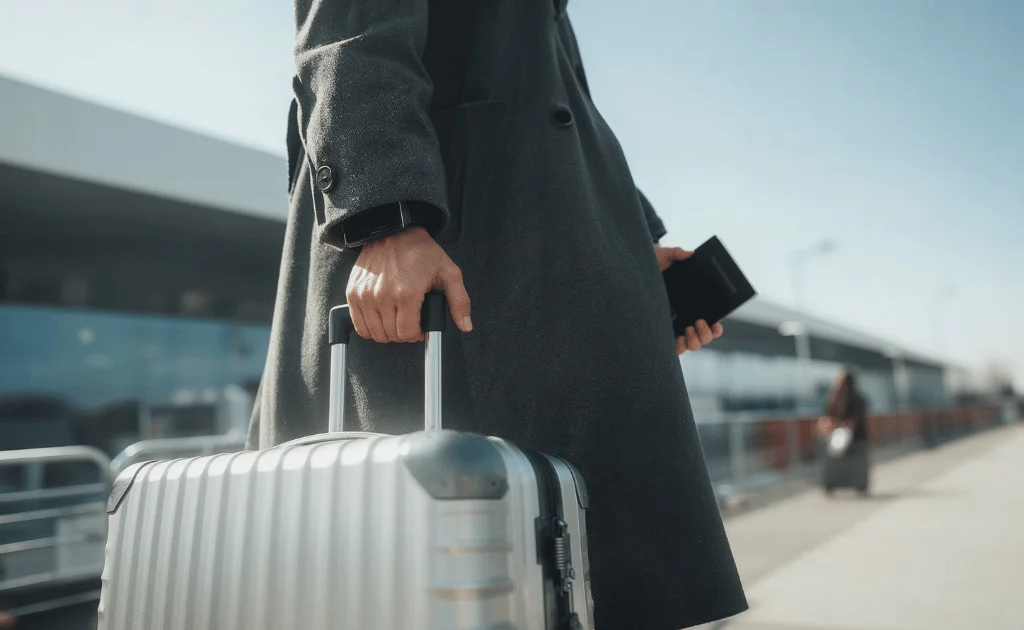
FAQs About Carry-On Luggage Essentials
Q1: Can I carry liquids over 100 ml in my hand luggage?
No, liquids over 100 ml must go in checked luggage. Exceptions apply for medications and baby food.
Q2: Should I pack a change of clothes in my carry-on?
Yes, always. If your checked luggage is delayed, you’ll have essentials for 24–48 hours.
Q3: Can I take electronics like laptops and cameras in my carry-on?
Absolutely, but pack them in padded compartments and follow security protocols.
Q4: What items are best skipped in a carry-on?
Heavy clothing, full-size toiletries, extra electronics, and non-essential items.
Final Thoughts
Carry-on luggage essentials are about strategy, organization, and preparedness. Packing smart ensures comfort, security, and peace of mind, whether traveling for business, leisure, or family vacations. By understanding airline rules, focusing on must-haves, and avoiding unnecessary items, your next flight can be a smooth, stress-free experience.